


Man Ray: Forms of Light
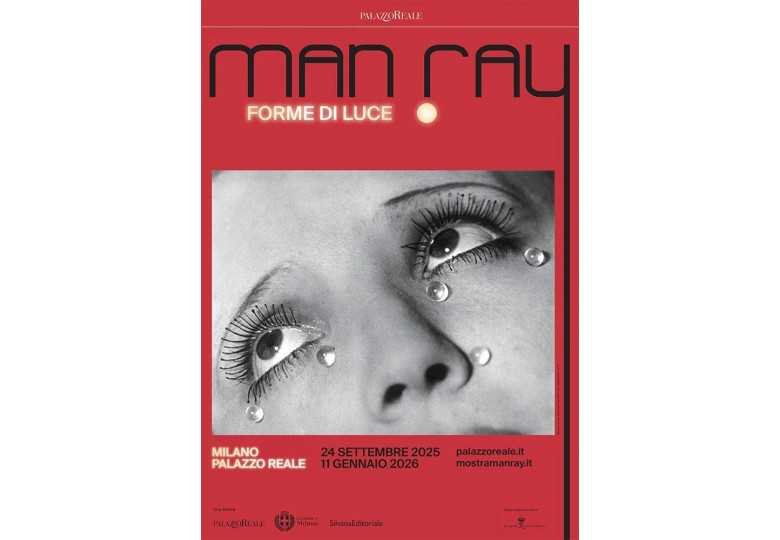
Man Ray: Forme di Luce
Palazzo Reale
September 24, 2025 – January 11, 2026
MilanBy Lyle
Rexer
Man Ray: Forme di luce, Palazzo Reale, Milan, 2025. Courtesy of the Palazzo Reale. Many of today's so-called tricks become tomorrow's truths,” wrote Man Ray (1890-1976) in his autobiography. This is undeniable, especially in the field of photography, whose practitioners constantly innovate and find new ways (and reasons) to practice old techniques. Take, for example, the famous Rayographe, so named by Man Ray, who also changed his name, abandoning his Pennsylvania birth name, Emmanuel Radnitzky, with its more ethnic (and Jewish) connotations. The process—which involves placing an object between a light source and a sheet of photosensitive paper, then exposing it to create an inverted or negative image—has existed since the beginnings of photography, under the name photogram. In fact, it existed even before, since it doesn't require a camera. It continues to this day, as artists have used it at key moments in the history of photography. The question that always arises is: why?
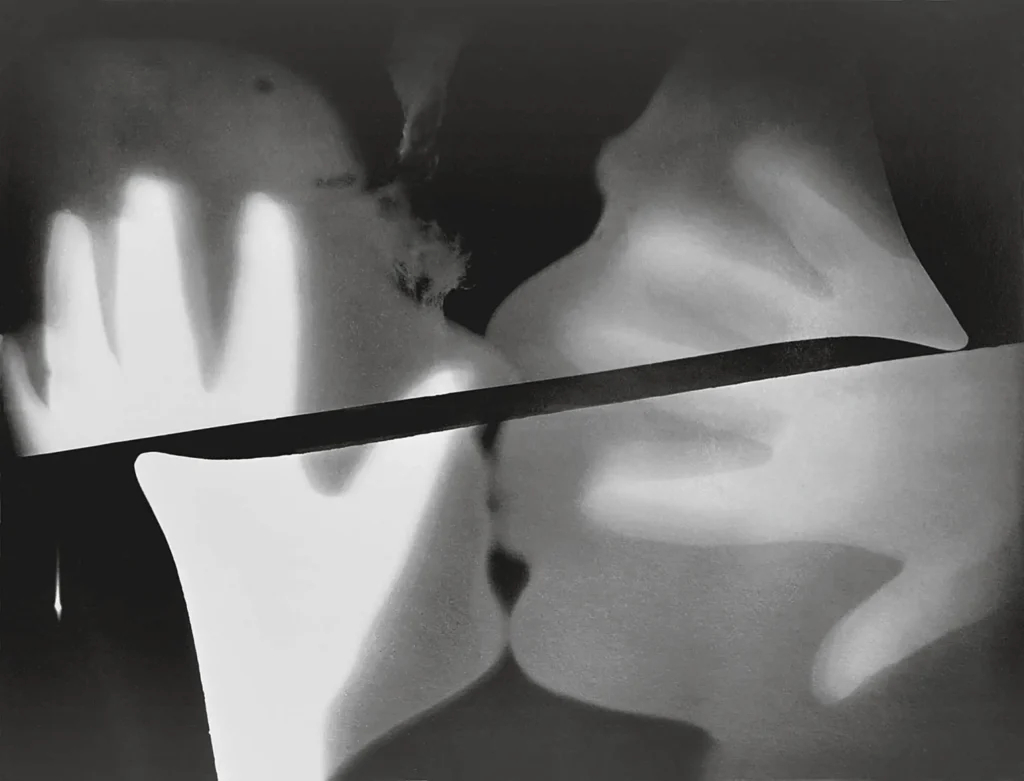
Man Ray, The Kiss, 1922. Rayograph. © Man Ray 2015 Trust, by SIAE 2025.
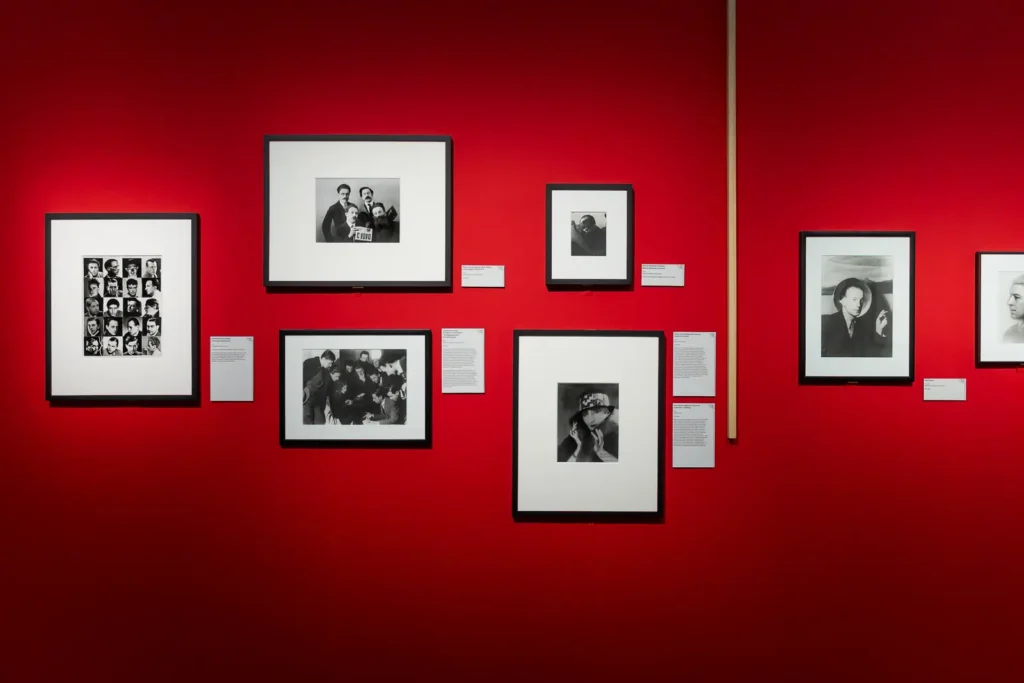
The same question arises with the two major Man Ray exhibitions organized simultaneously in Milan and at the Metropolitan Museum of Art in New York (“Man Ray: When Objects Dream”), both focused on his photography. Or rather, why now? This review concerns the Italian exhibition, but some general comparisons are in order. The Met exhibition, with a more limited temporal scope (up to 1931), is also more ambitious in its approach to art history. The Milan exhibition, on the other hand, is aimed at a wider audience. At the Met, a vast selection of rayographs is at the heart of a complex argument, linking photography to Man Ray's other explorations of dimensionality in collage, sculpture, and painting. At the same time, the exhibition highlights his connections to Surrealism and suggests that photography was for him a means of manifesting unconscious desires and manipulating the two-dimensional body. From his meeting with Marcel Duchamp in 1915, Man Ray was undoubtedly committed to seeking surprise and pleasure in his art. Like Duchamp, with whom he remained friends throughout his life, he was also attached to independence, which he expressed through artistic play. During Duchamp's first visit to Man Ray's home in New Jersey, the two men, speaking no common language, amused themselves by playing tennis without a net, at Man Ray's suggestion. Man Ray absorbed everything that intrigued him, borrowed, played with everything that intrigued him, made friends in a Parisian milieu where Dadaists and Surrealists mingled, and remained aloof from the internal struggles. As he himself wrote: "My neutrality was precious to everyone." »
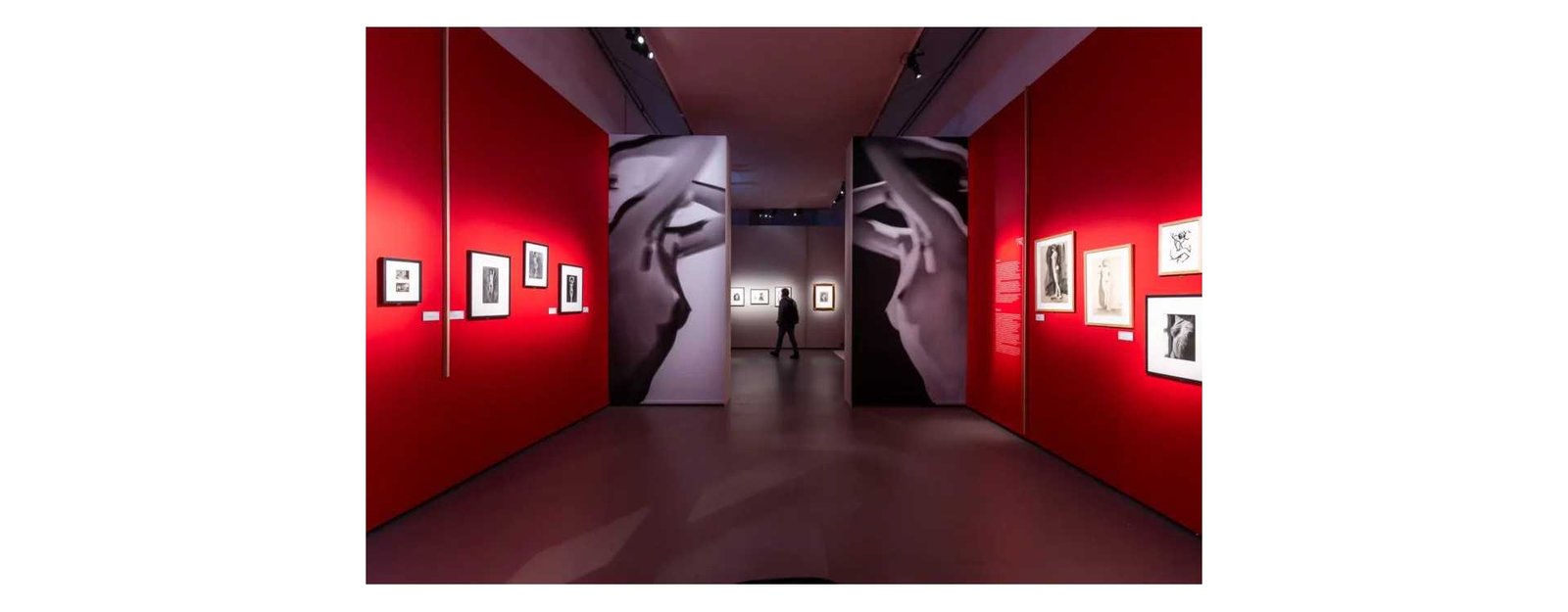
Installation view:
Man Ray: Forme di luce, Palazzo Reale, Milan, 2025. Courtesy of Palazzo Reale.
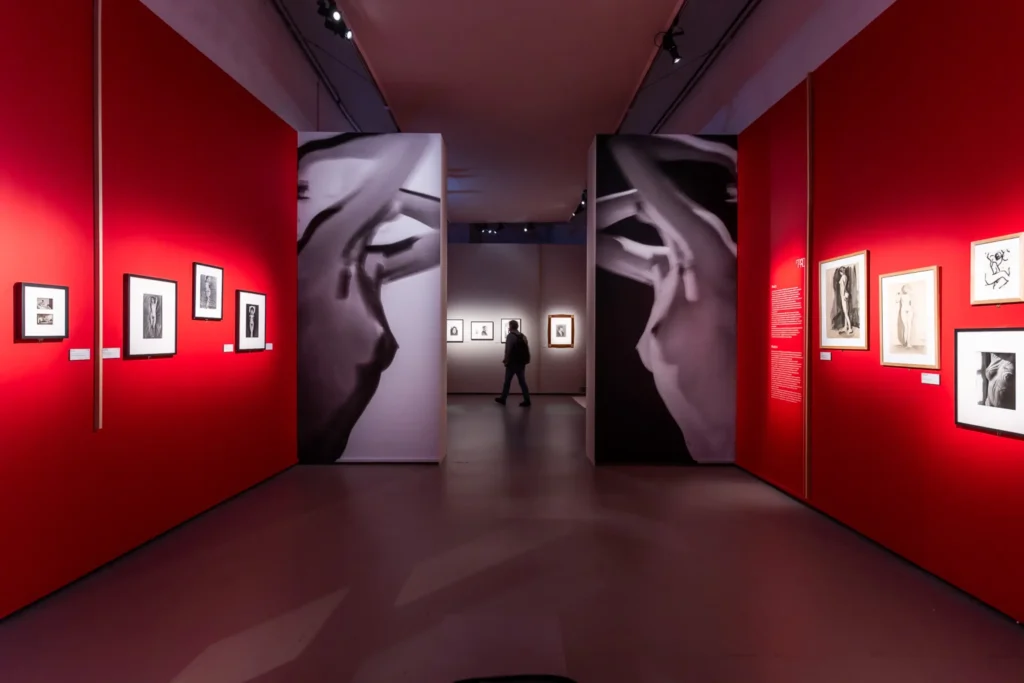
Installation view:
Man Ray: Forme di luce , Palazzo Reale, Milan, 2025. Courtesy of the Palazzo Reale.
The same was true for his photography. He initially began photographing to document his own work and that of others.other artists. His most famous photograph is that of Duchamp's The Bride Stripped Bare by Her Bachelors, Even (1915-1923), taken with a long exposure and from a low angle. The result was a purely "factual" but indecipherable image, a lesson in the mystery of photography that he never forgot. In Paris, copying work allowed him to support himself while he tried to make a name for himself in a competitive art world whose codes he didn't understand (but which was far more likely to appreciate his work than the United States, which he left in 1921). paragraph --andgt;
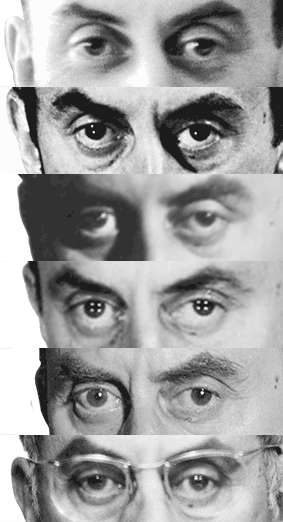
Unsurprisingly, neither Milan nor New York offered him examples of his daily work, with the exception of the image described above. He also began taking photographic portraits of his friends, lovers, and acquaintances. He was fascinated by people's appearances, especially those of artists, as if their faces and attitudes held clues. Over the next two decades, he photographed almost every important figure, from Duchamp to James Joyce, including the then nearly deceased Marcel Proust.
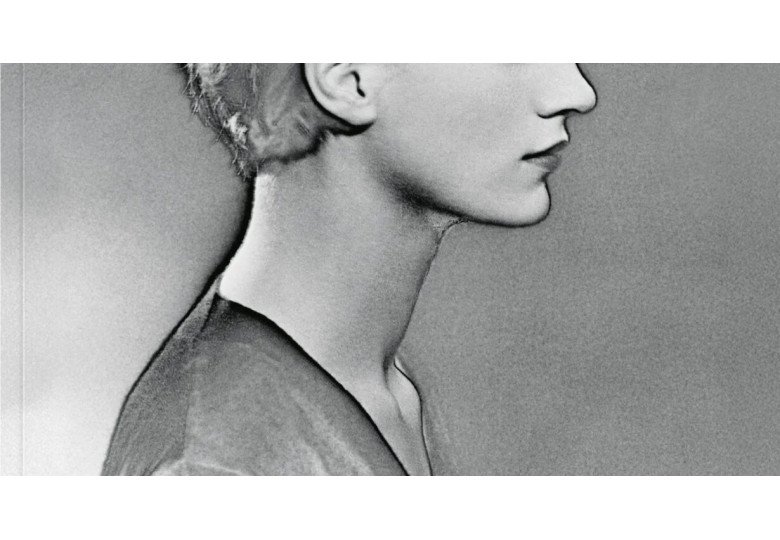
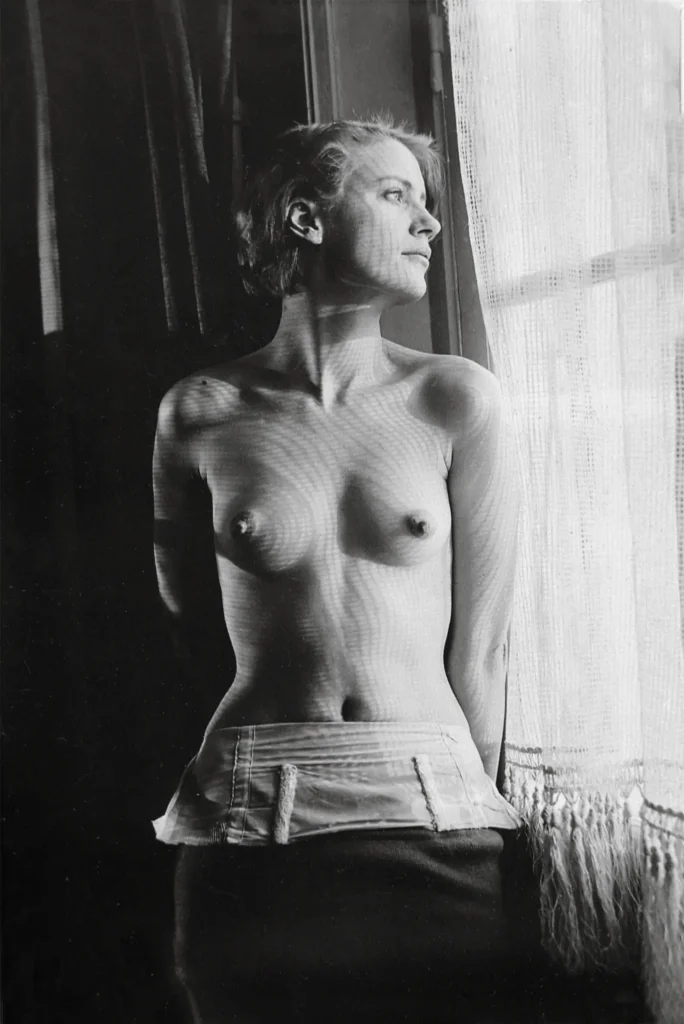
The exhibition at the Palazzo Reale focused on these portraits (with the unfortunate exception of Proust's), arranged almost like an autobiography of Man Ray. The prints came from a mix of sources and versions, which gave the presentation a certain heterogeneity and made it difficult, so to speak, to immerse oneself in the past. Their importance, however, was undeniable. Man Ray drew a distinction between the bulk of this work—commercial and ultimately repetitive—and his “art,” while constantly seeking to integrate his discoveries in the darkroom and studio. Some results are comical, such as the image of Lee Miller, herself a photographer and Man Ray’s lover, wearing a wire mesh lampshade (circa 1930). Some are happy accidents, true to the Surrealists’ fascination with chance. The Marquise Casati was fond of a blurry portrait of herself with four eyes (1922), the result of an unintentional long exposure. Others push the strategy to the point of revelation, as in Man Ray's portrait of the composer Igor Stravinsky (1925), captured in a blurred moment of movement, his gaze turned towards the sky, as if in full contemplation of invisible forces.
Man Ray, Lee Miller, circa 1930. © Man Ray 2015 Trust by SIAE 2025.
In the late 1920s, photograms, darkroom techniques, and unconventional aesthetic approaches emerged as the "truths of tomorrow," while photographers from Moscow to the Bauhaus radically reinvented the visual language of photography.
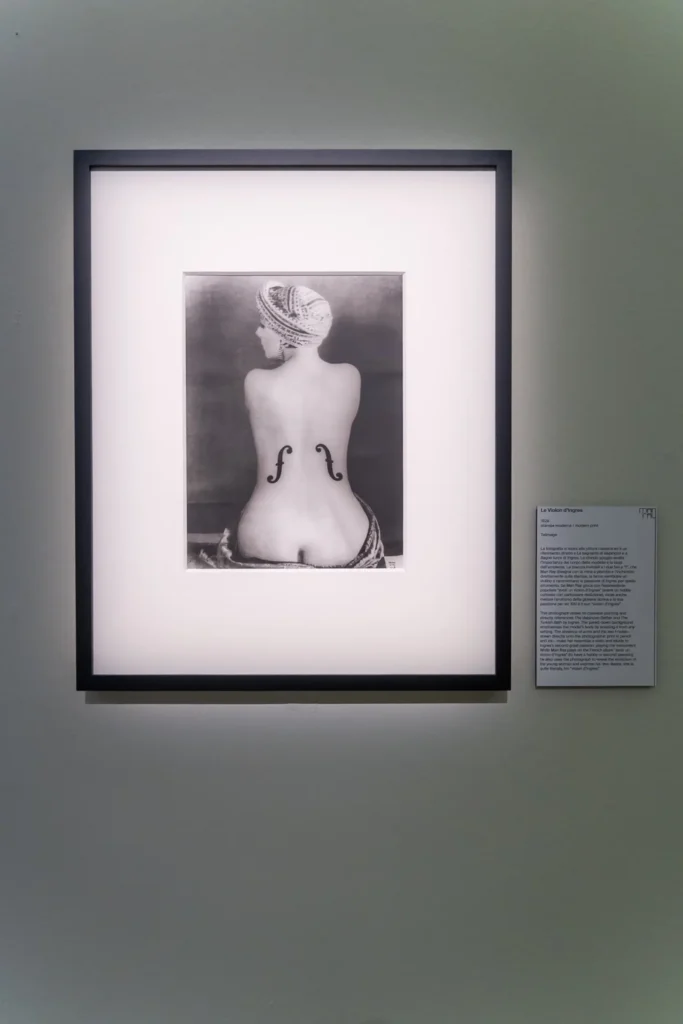
Man Ray's maneuvers earned him a reputation that brought him a large clientele and collaborations with the biggest fashion houses in the 1930s, not to mention the publication of his photographs in magazines. It's no coincidence that this exhibition opened during Milan Fashion Week. Photography also brought him lovers. A section of the exhibition entitled "Muses" is a kind of black book cataloging Man Ray's love affairs. Among his many relationships were Alice Prin (aka Kiki de Montparnasse), Lee Miller, the artist Meret Oppenheim, the dancer and model Adrienne Fidelin (aka Ady), and Juliet Browner, with whom he remained from 1940 until his death. This, of course, is the shameful secret of photography: in a male-dominated field, under the persistent guise of fine art, the camera gains access to bodies (usually female). And on the other hand, it is clear that Man Ray's erotic subjects often found in this attention the attention they deserved. They were more than willing collaborators, especially Miller and Oppenheim, who had their own ideas. Ray admitted that in the presence of a beautiful nude, it was difficult for him to maintain what he called an artist's distance. These encounters inspired thisSome of his most imaginative, most openly romantic, sometimes embarrassing, and most explicitly sexual works. In any case, before his lens, women become objects of fascination, forms of light to be staged and manipulated. This, in my opinion, is the main lesson of his famous photograph of Kiki's posterior, reminiscent of an Ingres painting, modified with f-holes to resemble a violin (1924).
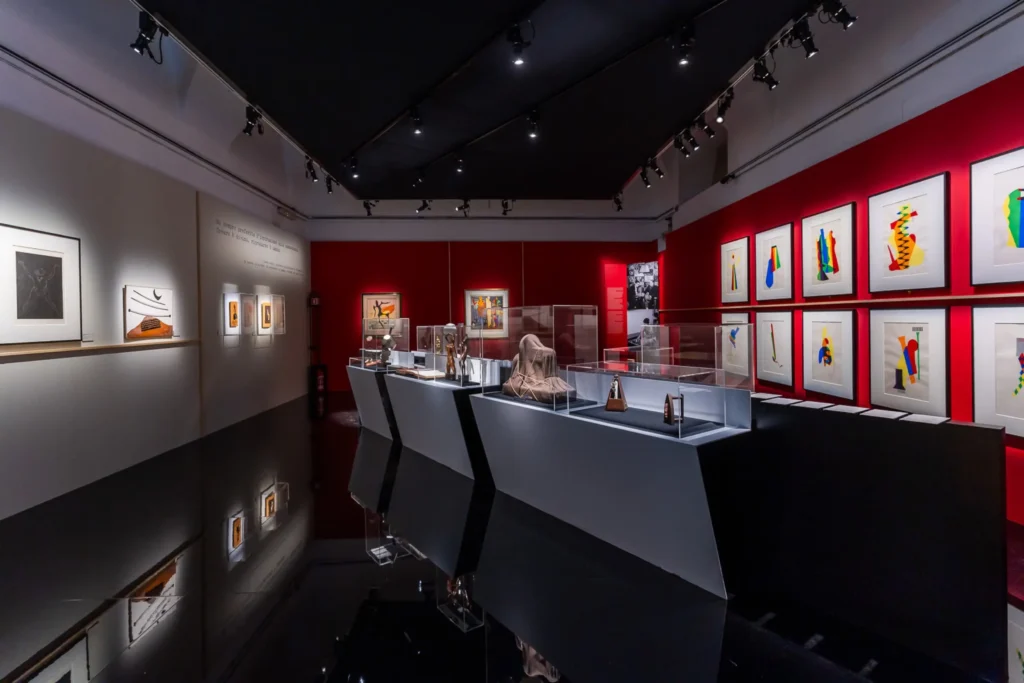
Installation view:
Man Ray Forme di luce, Palazzo Reale, Milan, 2025. Courtesy of the Palazzo Reale.
Ultimately, the question remains unanswered in both exhibitions: why Man Ray now? Neither sex, nor celebrity, nor fashion, although these elements are never absent from the photographic appeal. Perhaps it is technical curiosity, in the digital age, that has broken the documentary constraints of the medium. A similar attraction explains the renewed interest in the work of László Moholy-Nagy (1895-1946), who, like Man Ray, was a master of multiple art forms. Similarly, we find this attraction in Man Ray's free films, presented as a preview in both exhibitions, which undoubtedly deserve a separate analysis. But beyond that, his work perhaps inspires a particular kind of nostalgia in an era where images merely drift by, never to take root. Both exhibitions present striking examples of his object-sculptures and paintings, suggesting an underlying coherence. By reducing things and people to two dimensions, or even sometimes to mere shadows, Man Ray paradoxically brings them back to material reality through his physical and analog working method. Everything is handmade. On the camera, on the film, on the prints, on the paint, on the brushes, on the sculptures, on the bodies.
Lyle Rexer is the author of numerous books, including
*How to Look at Outsider Art* (2005), *
The Edge of Vision: The Rise of Abstraction in Photography* (2009), and
*The Critical Eye: 15 Pictures to Understand Photography* (2019).
*The Book of Crow*, his first novel, excerpts of which appeared in the
*Brooklyn Rail*, was recently published by Spuyten Duyvil Press.
https://brooklynrail.org/2025/12/artseen/man-ray-shapes-of-light/


Latest comments