
Shopping Cart





Man Ray: Shapes of Light
- Categories : Default , Expositions
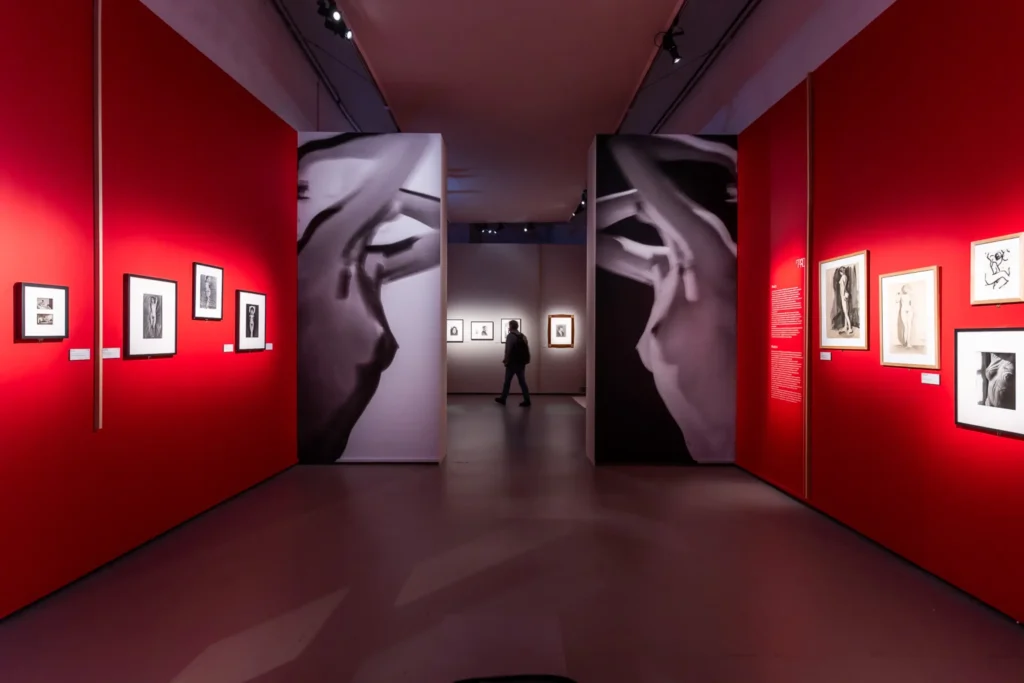
Man Ray: Forme di luce, Palazzo Reale, Milan, 2025. Courtesy of the Palazzo Reale.
“Many of today’s so-called tricks become tomorrow’s truths,” wrote Man Ray (1890–1976) in his autobiography. This is undeniable, and particularly true in the field of photography, where practitioners constantly innovate and find new ways (and reasons) to practice old techniques. Take, for example, the famous Rayographe, so named by Man Ray, who also renamed himself, abandoning his Pennsylvanian birth name, Emmanuel Radnitzky, with its more ethnic (and Jewish) connotations. The process – which consists of placing an object between a light source and a sheet of photosensitive paper, then exposing it to create an inverted or negative silhouette – has existed since the beginnings of photography, under the name photogram. In fact, it existed even before, since it does not require a camera. It continues to this day, as artists have used it at key moments in the history of photography. The question that always arises is: why?
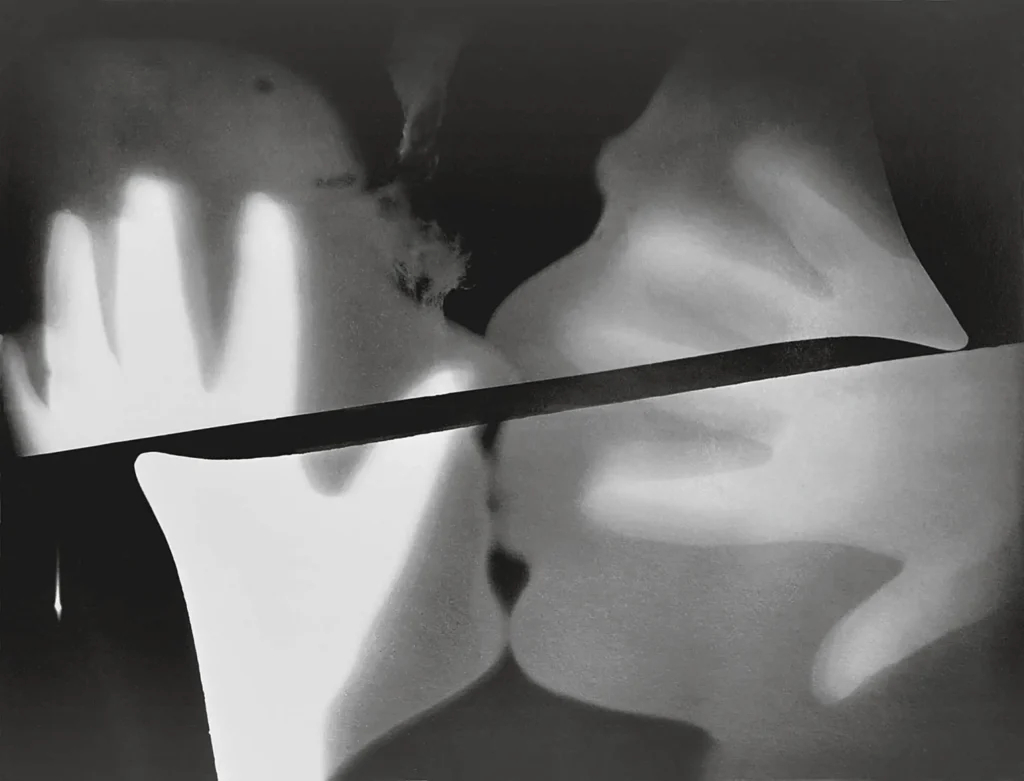
The Kiss, 1922. Rayograph. © Man Ray 2015 Trust, by SIAE 2025.
The same question arises with the two major Man Ray exhibitions organized simultaneously in Milan and at the Metropolitan Museum of Art in New York (“Man Ray: When Objects Dream”), both focused on his photography. Or rather, why now? This review concerns the Italian exhibition, but some general comparisons are in order. The Met exhibition, with a more limited temporal scope (up to 1931), is also more ambitious in its approach to art history. The Milan exhibition, on the other hand, aims for a wider audience.
As he himself wrote: "My neutrality was precious to everyone."
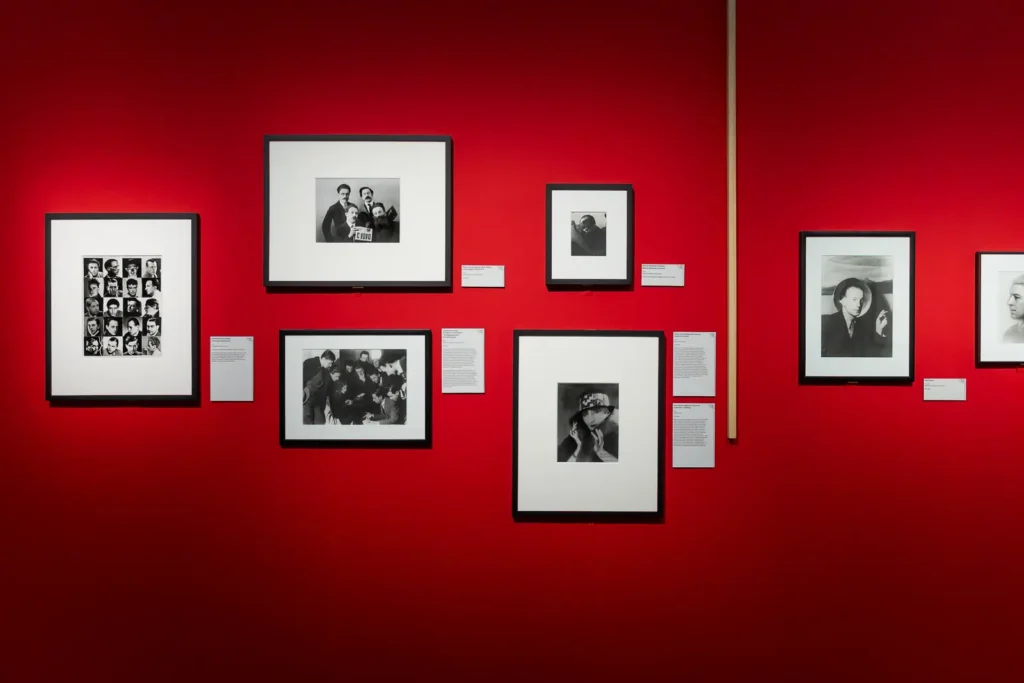
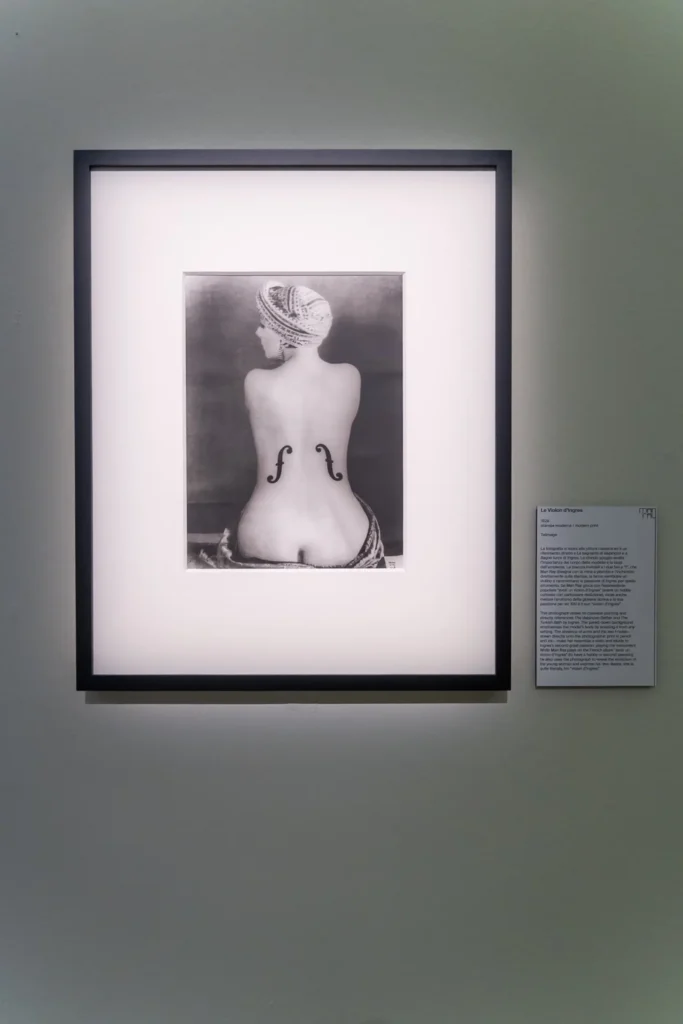
Man Ray: Forme di luce, Palazzo Reale, Milan, 2025. Courtesy of Palazzo Reale.
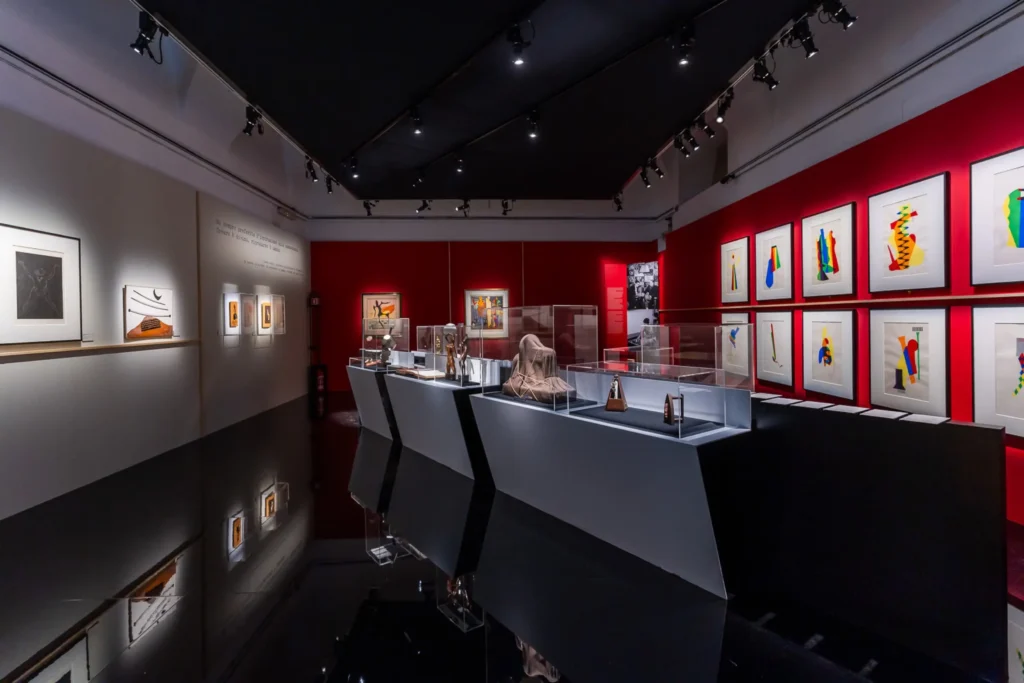
Man Ray: Forme di luce, Palazzo Reale, Milan, 2025. Courtesy of Palazzo Reale.
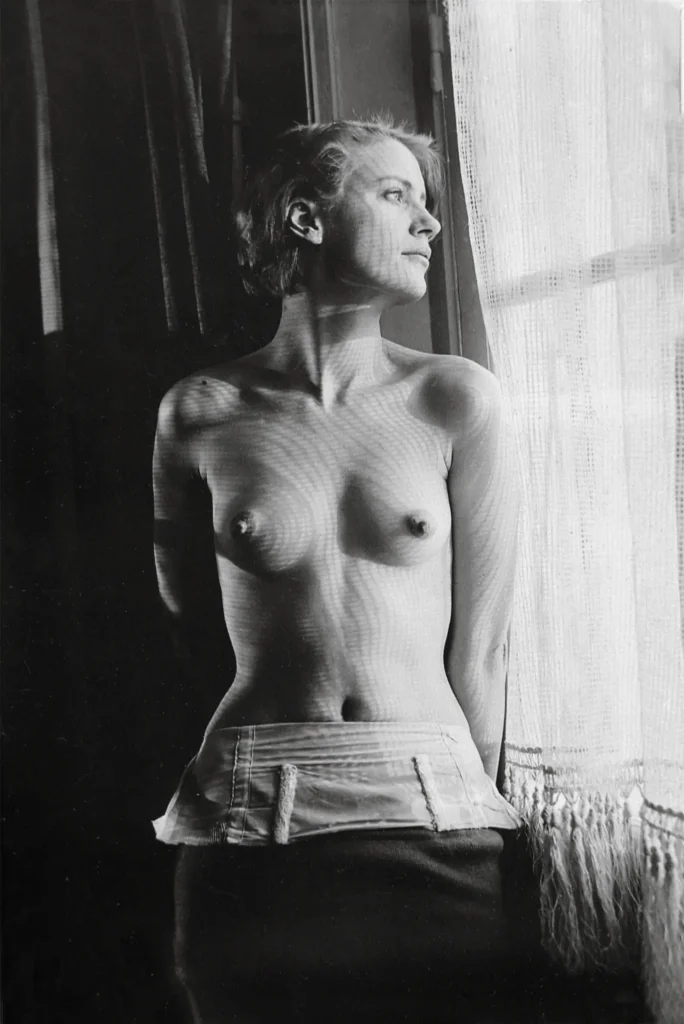 Man Ray,
Lee Miller, circa 1930. © Man Ray 2015 Trust, by SIAE 2025.
In the late 1920s, photograms, darkroom techniques, and unconventional aesthetic approaches were emerging as the "truths of tomorrow," while photographers from Moscow to the Bauhaus were radically reinventing the visual language of photography.
Lyle Rexer is the author of numerous books, including
*How to Look at Outsider Art*(2005), *
The Edge of Vision: The Rise of Abstraction in Photography* (2009) and
*The Critical Eye: 15 Pictures to Understand Photography*(2019).
*The Book of Crow*, his first novel, excerpts of which appeared in the
*Brooklyn Rail*, was recently published by Spuyten Duyvil Press.
https://brooklynrail.org/2025/12/artseen/man-ray-shapes-of-light/